
REVIEW · BULGARIAN FOOD TOURS & TASTINGS
Bulgarian Food tasting, cullinary-historical tour, Cooking class
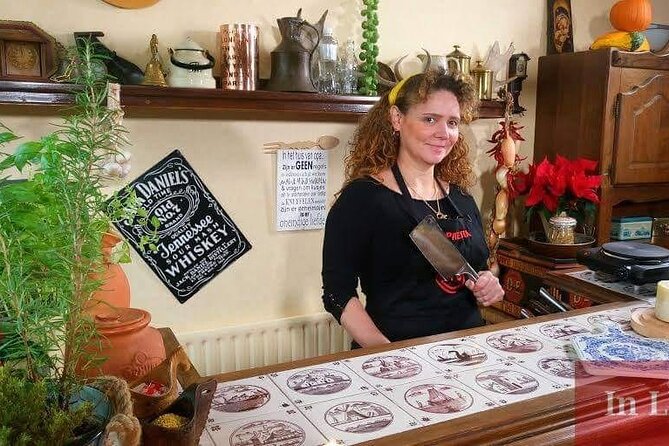
Sofia smells like warm pastry. In this 6-hour Sofia experience, you combine a Women’s Market morning, a stop at Saint Nikolas Russian Church, then cook and eat Bulgarian comfort food with Mariela, the guide and teacher. You’ll learn real techniques, not just how to follow a recipe, and you’ll finish with a proper meal instead of a few bites.
I like two things a lot. First, the class is hands-on in a way that actually teaches skills, like getting comfortable with tasks such as slicing onions. Second, the menu is tailored to your cooking skill and your own preferences, so you are not stuck making something you do not want or cannot handle.
One thing to plan for: the day can run long and food portions can be generous, especially if you are coming solo. I’d also keep in mind the kitchen is on the second floor with no elevator, so stairs matter.
In This Review
- Key points at a glance
- Why this Bulgarian cooking day feels cultural, not just culinary
- Meeting point, pickup options, and how you start the day
- Zhenski Pazar Women’s Market: where the ingredients get stories
- Saint Nikolas Russian Church and Sofia Center: a calm reset between food beats
- Hands-on cooking with Mariela: you learn technique, then you eat it
- The cooking menu, from burek to pumpkin pastry to mekits
- Lunch, brunch, and dinner: what included meals actually mean for your day
- Price and value: what you get for $138.18 in Sofia
- Who this is perfect for, and who should think twice
- Should you book this Bulgarian food tasting and cooking class in Sofia?
- FAQ
- How long is the Bulgarian food tasting and cooking class?
- Is pickup offered, and where do we meet?
- What dishes will I cook?
- What meals are included?
- Does the grocery shopping at the Women’s Market always happen?
- Is free cancellation available?
Key points at a glance
- A real market stop, when weather allows: you may go grocery shopping at Zhenski Pazar and learn about Bulgarian products and traditions.
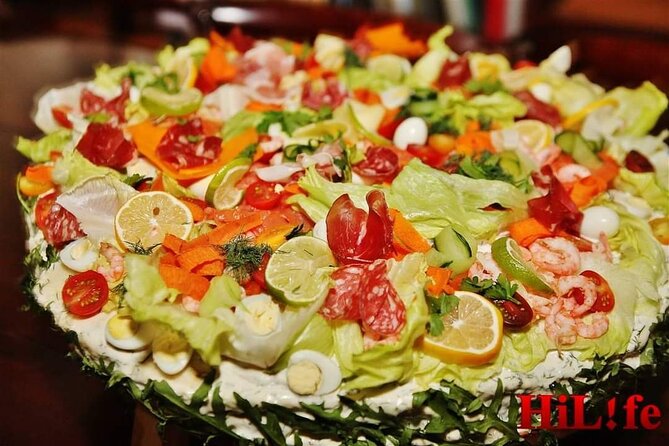
- Cook 3 typical Bulgarian dishes: examples can include burek, dolmas, gyuvetche, and pumpkin pastry, chosen for your skills and tastes.
- Lunch, brunch, and dinner included: you do not just cook, you eat the results as a full food day.
- Mariela brings more than cooking: you get history and Sofia context along with practical technique.
- Private group experience: only your group participates, with pickup possible and the class in English.
- Watch for kitchen logistics: a cat lives in the kitchen, and the space is on the second floor with no elevator.
Still hungry? More Bulgarian tables
- Wine Tasting in Heart of Sofia★ 5.0 · 545 reviews
- Sofia Food & Tasting Tour with Communist-Era Tram Ride★ 5.0 · 35 reviews
- Culinary Adventure To The Fungi And Botanical Kingdom Of Bulgaria★ 5.0 · 21 reviews
- Market Food Tour★ 4.5 · 21 reviews
Why this Bulgarian cooking day feels cultural, not just culinary
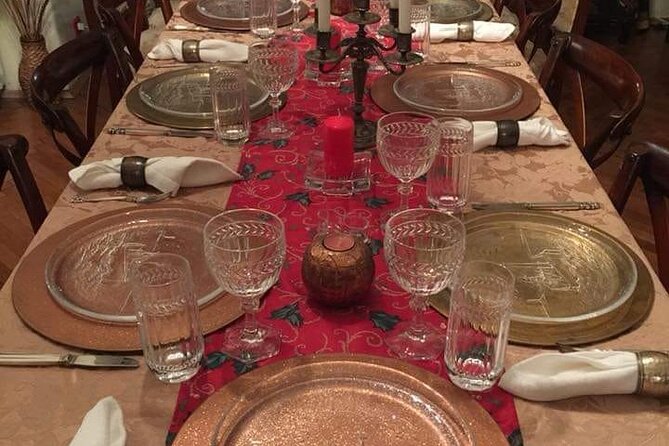
This is the kind of food experience that makes Sofia feel personal. You start the morning with ingredients and context, not a lecture after you are already hungry. Then you cook, tasting as you go, and end with lunch or dinner so you can actually enjoy the flavors without rushing.
The menu is built around you. The instructor creates the dishes based on your cooking skills and your preferences, so the class does not feel generic. If you want easier steps, you get them. If you want technique, you get that too. That matters, because Balkan cooking is not only about taste, it is about process.
Also, this is billed as culinary-historical, and the day supports that idea. You do not just learn what to make. You hear about Bulgarian products and traditions connected to what you are buying and cooking. It makes the food feel like it belongs to the place, not like a removed demo.
Meeting point, pickup options, and how you start the day
You begin at the Church of St. Nicholas the Wonderworker in Sofia Center, at bul. Tsar Osvoboditel 3. The start time is 9:00 am, and the experience ends back at the meeting point.
Pickup is possible. A common way to make it easy is meeting at the subway metro station Luvov Most, then going from there with the group. If you like having a simple plan, use the metro option as your backup and keep the meeting church as your main reference.
This is offered in English, and it is a private activity, meaning only your group participates. That usually improves the class feel. You can ask more questions, and the instructor can adjust timing and pacing without competing for attention.
Zhenski Pazar Women’s Market: where the ingredients get stories
Zhenski Pazar Women’s Market is the first stop. When conditions are right, the plan includes grocery shopping together. The idea is practical: what you pick up can shape what you cook, and learning the local ingredients makes the cooking steps make sense later.
If it’s a fine day on a working day, you’ll go. If not, you still follow the rest of the experience. So do not plan your whole trip timeline around needing this market walk, just treat it as a bonus when it happens.
What you should watch for is the way Bulgarian products and traditions get explained while you shop. You will likely notice people focusing on everyday staples, and you get to connect those basics to the dishes you will make. That connection is where the value lives. It turns shopping into a living lesson, not a detour.
More eating and drinking around Bulgaria
Saint Nikolas Russian Church and Sofia Center: a calm reset between food beats
After the market, there is a stop at Saint Nikolas Russian Church, then you move through Sofia Center. This part works like a breather in the day. You get a sense of the city’s character and you have time to regroup before the kitchen portion ramps up.
Even though the church stop is short, it helps anchor the experience in place. You are not only learning Bulgarian cooking in an imported kitchen setting. You are moving through Sofia, in the middle of the city’s cultural mix, and then stepping into a hands-on food rhythm.
If you prefer a fast route with minimal walking, keep an eye on your footwear. You are walking between stops, and later you will likely spend time standing and working in a kitchen environment.
Hands-on cooking with Mariela: you learn technique, then you eat it
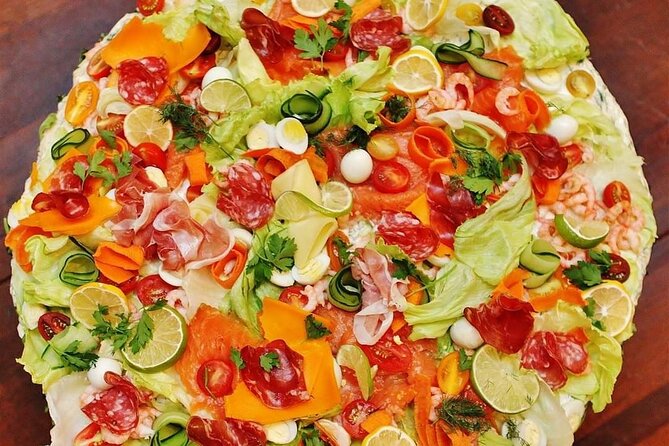
This is where the day earns its reputation. You learn to cook three typical Bulgarian dishes, with examples that can include bread and cheese pastry, hot pot, dolmas, and more, depending on your choices. The instructor builds your menu according to your cooking skills and what you say you like.
One of the most practical takeaways from this kind of class is technique. In particular, you can expect attention on steps that actually change the result, like how to slice an onion. It sounds simple, but small technique differences matter a lot in pastry and savory dishes.
You also should expect patient guidance and conversation. Mariela’s teaching style is not only about food steps. You may hear stories about Sofia and her path through cooking and hospitality, and even her other work history. In one review-style account, she is described as someone with experience as a cook and hotel manager, plus time in real estate, with travels around the world. That mix shows in the way she teaches, practical and human.
A few important logistics notes:
- The kitchen is on the second floor, and there is no elevator. If stairs are a problem for you, you’ll want to plan ahead.
- There is a cat in the kitchen. If you have allergies or you strongly dislike animals, inform the host in advance.
- Kitchen equipment is included, so you do not need to bring anything besides your appetite.
The cooking menu, from burek to pumpkin pastry to mekits
The class is built around three dishes, but your experience can include multiple food moments throughout the day, because meals like lunch, brunch, and dinner are included. The sample menu gives a clear sense of the range. Here are the dishes you might cook and taste.
Burek (cheese burek pastry)
Think flaky, savory pastry with cheese. It is a classic comfort food, and it teaches pastry confidence and filling balance.
Dolmas (cabbage with meat)
Rolled or prepared cabbage with a savory filling. This is a solid lesson dish if you want to learn about slow, steady cooking flavors rather than only quick cooking.
Gyuvetche (hot pot with meat or vegetables)
A hotpot-style meal, cooked and served like a hearty one-pot comfort dish. It is a good choice if you like meals that taste deeper because they simmer together.
Tikvenik (pastry with pumpkin)
A pumpkin pastry that shows up as a sweet counterpoint to the savory dishes. It is also useful because pastry technique is shared across sweet and savory styles.
Meshana skara (grilled meat)
Grilled meat as a menu element. This gives you a window into Balkan-style meat cooking and serving.
Kavarma (chicken or pork baked in a pot, covered with omelette)
This dish is memorable because of the pot-baked approach and the omelette topping. It is richer than it sounds and teaches how to use covered cooking for texture and moisture.
Mekitzi (cousin of Hungarian langos)
These are eaten for breakfast or dessert, with honey or with feta cheese. It’s a fun close to a day because it shifts from savory pastry into a playful, flexible street-style idea.
The menu can vary based on skill and preferences, so the exact combination may differ. But the core promise is consistent: you’ll learn three typical Bulgarian dishes and you’ll eat enough to feel satisfied, not snacky.
Lunch, brunch, and dinner: what included meals actually mean for your day
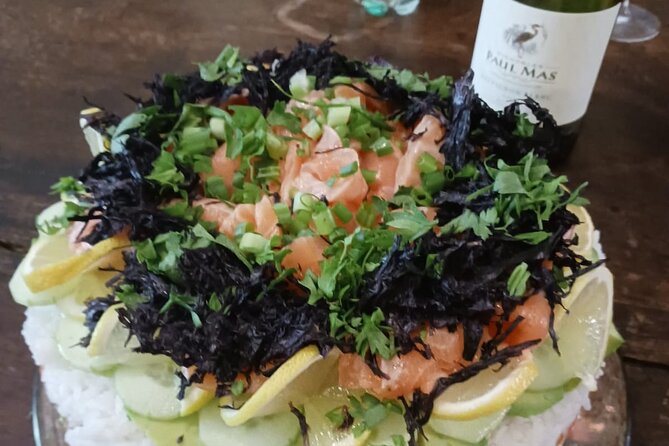
The meal plan is one of the best value signals here. You get lunch, brunch, and dinner included, plus kitchen equipment. That means you can show up without doing the math on what you’ll pay for food elsewhere.
You still should plan for a “food day,” not a light afternoon class. Even in a solo traveler example, the day ran longer than expected, with the shopping-to-dinner stretch extending well past what many people assume for a 6-hour activity. For you, that means:
- Start this with a clear schedule, and
- Don’t stack another big plan right afterward.
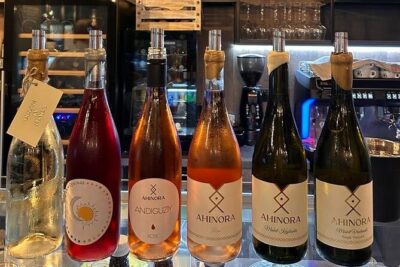
Drinks are where you might spend extra. Alcoholic beverages are not included, and soda or pop and bottled water are not included either. If you want water on hand during pauses, budget for it. If you like a drink with your meal, plan to buy it there rather than expecting it in the package.
Price and value: what you get for $138.18 in Sofia
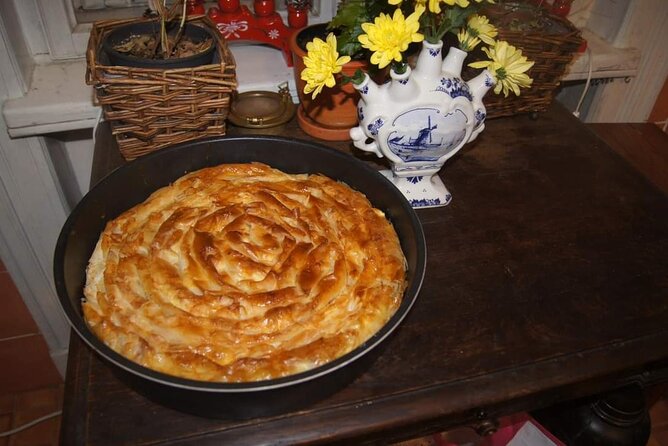
At $138.18 per person, this is not a “cheap snack and watch someone cook” experience. You are paying for three things at once:
- Market and context time that sets up the cooking,
- A hands-on class with equipment, and
- Enough meal coverage to count as a full food day.
Because kitchen equipment is included, you do not end up paying extra for tools or special ingredients. Because lunch, brunch, and dinner are included, you also avoid the most common expense that turns classes into overpriced bites.
The biggest value edge here is that the menu is tailored and you cook three typical Bulgarian dishes. That is a higher instruction-to-cost ratio than many classes that only teach a single dish well or only offer taste samples.
Who this is perfect for, and who should think twice
This experience is a great fit if you want Sofia food culture in a practical way. If you like markets, enjoy cooking lessons, and want a mentor who can explain what matters and why, you’ll likely enjoy the format.
It also suits couples or small groups because it is private and your menu can be customized. You do not have to worry about blending into a large group where questions get lost.
A few people should think twice or prepare:
- If you cannot handle stairs, note the kitchen is on the second floor with no elevator.
- If you have allergies or dislike animals, the cat in the kitchen matters. Tell the host in advance.
- If you are sensitive to long days, know the flow can run longer than you expect, partly because you are shopping and eating multiple meals.
If your goal is only a quick intro snack, this may feel like more than you need. If your goal is a full, hands-on Bulgarian food experience with technique and context, it is a strong match.
Should you book this Bulgarian food tasting and cooking class in Sofia?
Book it if you want three Bulgarian dishes plus real eating time, not a short tasting stop. The combination of market context, a tailored cooking menu, and a mentor who brings stories and guidance makes it feel worth your day.
Do not book it if stairs are a problem for you or if the idea of a cat in the kitchen is a dealbreaker. Also, if you only want a quick, light meal, consider a shorter format, because this one is built to feed you through lunch, brunch, and dinner.
If you can handle a long food day and you like learning techniques, this is one of those Sofia activities that leaves you with something lasting: not just memories, but repeatable cooking skills and the ability to order the dishes with better understanding back at home.
FAQ
How long is the Bulgarian food tasting and cooking class?
The experience lasts about 6 hours.
Is pickup offered, and where do we meet?
Pickup is possible. You can also meet at the subway metro station Luvov Most, or start at the Church of St. Nicholas the Wonderworker, bul. Tsar Osvoboditel 3 in Sofia Center.
What dishes will I cook?
You will learn to cook 3 typical Bulgarian dishes. The exact dishes depend on your cooking skills and your preferences.
What meals are included?
Lunch, brunch, and dinner are included, along with kitchen equipment. Alcoholic beverages, soda or pop, and bottled water are not included.
Does the grocery shopping at the Women’s Market always happen?
Grocery shopping at the Women’s Market is planned if the weather is fine and it is a working day.
Is free cancellation available?
Yes, free cancellation is available. You can cancel up to 24 hours in advance for a full refund.
More Tours Around Bulgaria
- Rila Monastery and Boyana Church Full-Day Tour★ 4.5 · 918 reviews
- From Sofia: Rila Monastery & Boyana Church Day Tour★ 4.5 · 866 reviews
- Communist Walking Tour of Sofia★ 5.0 · 690 reviews
- Sofia Highlights 2 Hour Sightseeing Walking Tour★ 5.0 · 442 reviews
More Bulgaria Reviews
- Rila Monastery and Boyana Church Full-Day Tour★ 4.5 · 918 reviews
- Sofia Escape Room – Teorema Rooms★ 5.0 · 895 reviews
- From Sofia: Rila Monastery & Boyana Church Day Tour★ 4.5 · 866 reviews
- Communist Walking Tour of Sofia★ 5.0 · 690 reviews
Bulgaria by the Plate
- Wine Tasting in Heart of Sofia★ 5.0 · 545 reviews
- Sofia Food & Tasting Tour with Communist-Era Tram Ride★ 5.0 · 35 reviews
- Market Food Tour★ 4.5 · 21 reviews
- Culinary Adventure To The Fungi And Botanical Kingdom Of Bulgaria★ 5.0 · 21 reviews
Newer Bulgaria reviews, fresh off the desk
- Private Winter Day Trip to the Rila Mountain
★ 4.5 · 3 reviews - Transfer from Sofia to Stara Zagora
★ 5.0 · 3 reviews - Tour to Koprivshtitsa and the Buzludzha monument incl the Seuthes Thracian Tomb
★ 3.5 · 3 reviews - Catacomb Tour in Sofia guided by a Local
★ 4.5 · 3 reviews - Symbol of the Communism Buzludzha monument and the Rose valley
★ 5.0 · 3 reviews - Private 2 Hours Sofia Street Art and Graffiti Tour
★ 5.0 · 3 reviews
Bulgarian Food Tours & Tastings, compared.
 ★ 5.0Wine Tasting in Heart of SofiaFrom $36545 reviews
 ★ 5.0Food Walk: Bulgarian Food and Culture Tour in PlovdivFrom $5935 reviews
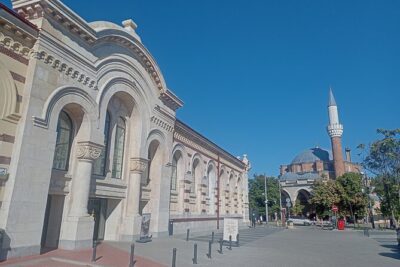 ★ 5.0Sofia Food & Tasting Tour with Communist-Era Tram RideFrom $9135 reviews
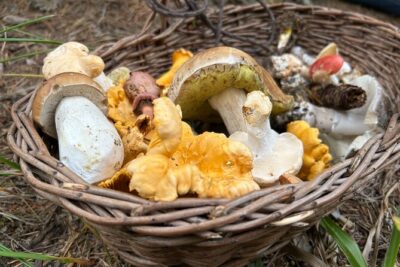 ★ 5.0Culinary Adventure To The Fungi And Botanical Kingdom Of BulgariaFrom $9021 reviews
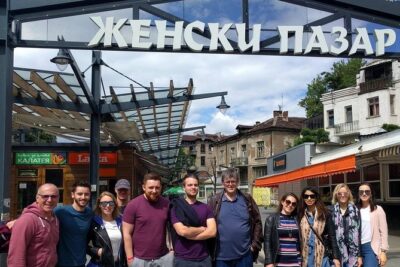 ★ 4.5Market Food TourFrom $5521 reviews
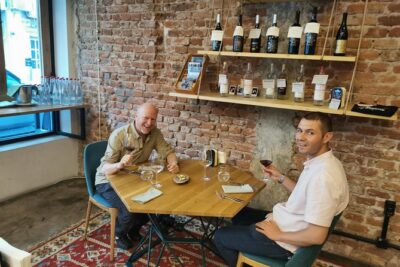 ★ 5.0Sofia Wine WalkFrom $6618 reviews
 ★ 5.03-Hour Private Bulgarian Food Tasting Tour of SofiaFrom $10414 reviews
 ★ 5.0Authentic Homemade Bulgarian Dessert Tasting in SofiaFrom $5612 reviews
Browse the lists this tour appears in