
REVIEW · ROSE VALLEY & THE THRACIAN KINGS
Picking Roses Workshop & Extracting Rose Oil in the Rose Valley
Roses become perfume in just a few hours. This experience pairs traditional rose picking in folk costumes with hands-on learning about rose oil and rose water production. You also get a sweet reward with rose treats and liqueur tied to Bulgaria’s rose season. The only catch to plan around is that the itinerary can shift depending on how the roses are ripening.
I especially like that it’s not just watching from the side. You’re in the action with the rose-picking ritual, then you move into an old-house workshop where the process is explained, and demonstrated, in a way you can actually picture.
One thing to consider is the timing and weather. The activity runs during rose picking season and it needs good weather, plus the operator can reorder stops or adjust based on ripening in the region.
In This Review
- Key things I’d circle first
- Rose Valley Traditions, Without the Museum Vibe
- Stop 1: Valley of Roses and the Kazanlak Rose connection
- Stop 2 and 3: Karlovo and Karlovo Old Town for context
- Stop 4: Damascena Ethnographic Complex and the culture layer
- Stop 5: Kazanlak and turning petals into rose oil and rose water
- The tasting: rose sweet, gulovitsa, and rose liqueur
- Rose factory visit and rose soap making you can see
- What makes this tour feel authentic
- Logistics that matter: starting point, timing, and group size
- Who should book this rose oil experience
- When to go and what weather really means for your plans
- Is it worth it? The value behind the rose ritual
- Should you book this picking roses and extracting rose oil workshop?
- FAQ
- Where does the workshop start and end?
- How long is the experience?
- Is it offered in English?
- Is this tour private?
- What activities are included besides rose picking?
- What if the itinerary changes due to rose ripening or weather?
Key things I’d circle first
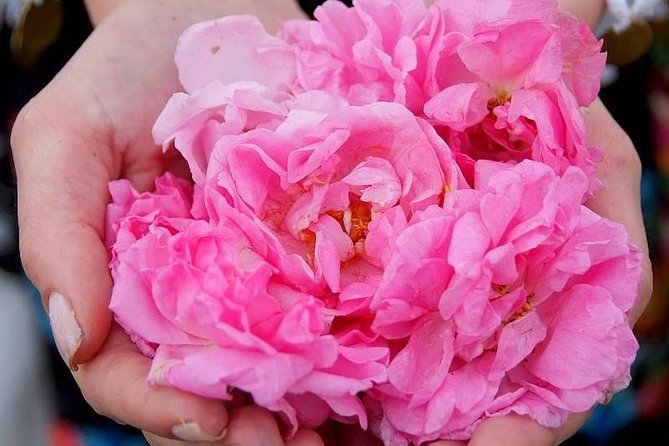
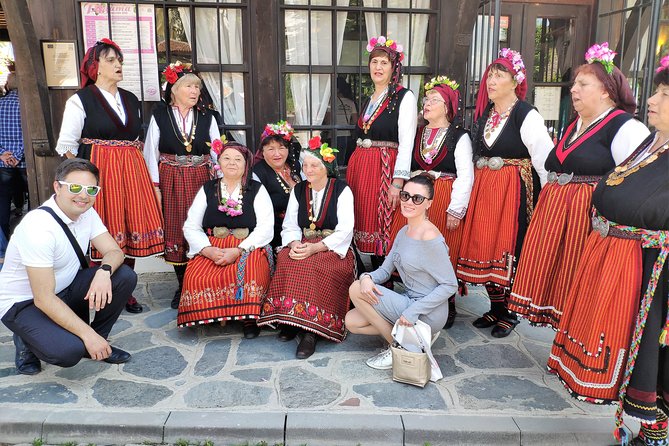
- Rose picking ritual in folk costumes during the rose season, with rose pickers
- Rose oil and rose water extraction demo from a mini distillery at an old house
- Tasting rose sweet, gulovitsa, and rose liqueur as part of the experience
- Factory visit tied to real production, including rose soap making
- Order can change between Karlovo and Damascena near Kazanlak based on rose maturity
Rose Valley Traditions, Without the Museum Vibe
If you like your travel experiences practical and lived-in, this one fits. You’re not just learning that Bulgaria has a rose tradition. You get to take part in the ritual of picking roses, then connect those petals to what people actually make, from rose oil to rose water and soap.
I love the mix of senses here. You get the smell and work of rose picking, then you get the explanation of how rose oil extraction works. And the tasting is not an afterthought. It ties the whole day back to what rose season means on the table.
The tour is also built to feel manageable. It’s about a 3-hour experience starting at 9:00 am in Karlovo, and it ends back at the meeting point. That matters if you want something special but you still want time for Plovdiv city plans later.
Stop 1: Valley of Roses and the Kazanlak Rose connection
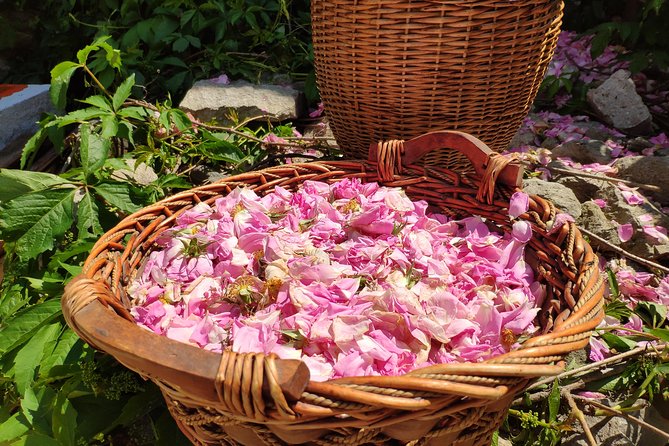
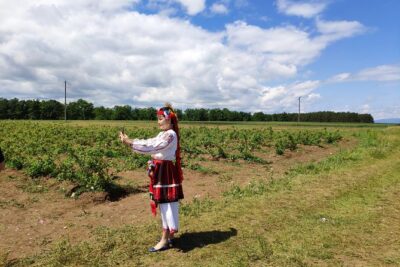
This is where the rose season magic starts. You head to the Valley of Roses, the moment where rose picking becomes a real ritual instead of a postcard idea. The focus is on the oil-bearing Kazanlak Rose, grown in these latitudes, and that specificity matters. It’s not a generic rose story, it’s about the rose people plant and harvest for oil.
What you’ll likely enjoy most here is the rhythm of the activity. Rose picking isn’t just a quick photo opportunity. It’s the kind of task that locals treat like seasonal tradition, with instructions you can follow and a pace that feels real to the season.
Practical tip: if you’re booking around a busy day, build buffer time for getting there and getting comfortable. A 9:00 am start means you’ll want breakfast handled and shoes ready.
Stop 2 and 3: Karlovo and Karlovo Old Town for context
After the rose valley, the tour shifts from action to place. You’ll spend time in Karlovo, then visit Karlovo Old Town. This is the right balance if you don’t want your day to be only workshop time.
Karlovo and the Old Town stop help you understand the human side of the rose tradition. Roses do not exist in a vacuum. They’re part of how the region works seasonally, how people move, and how skills are passed along. Even if you’re not chasing history facts, these stops help you connect the hands-on picking to a lived geography.
Consideration: if your main goal is only the rose workshop and tasting, these town stops can feel more like grounding time than a second workshop. I’d still treat them as part of the story, because they make the rest of the experience feel less like a separate show.
Stop 4: Damascena Ethnographic Complex and the culture layer
Next up is the Damascena Ethnographic Complex. This stop adds a different kind of value: it frames the rose picking ritual and rose craft inside broader Bulgarian cultural traditions.
If you enjoy cultural context, this is the kind of stop that makes the whole day click. The rose season isn’t only about production. It’s also about what people wear, how they gather, and how old customs are kept visible during the harvest period.
If you prefer pure practicality, you may want to use this time to recharge, especially after the physical feel of rose picking. It’s still part of the overall flow, but treat it like a breathing space too.
Stop 5: Kazanlak and turning petals into rose oil and rose water
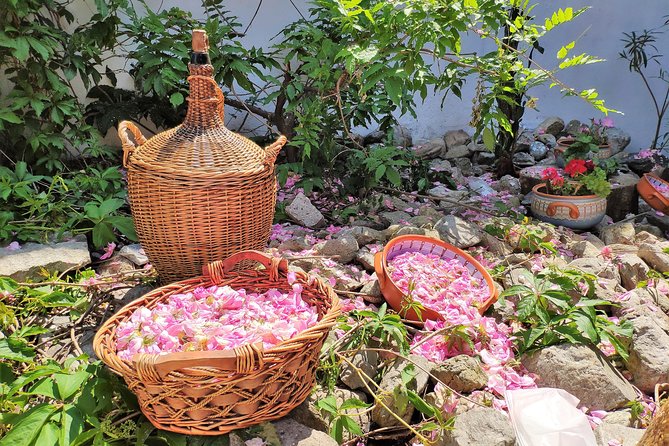
Kazanlak is the name you keep coming back to in the rose world, and it shows up as a key stop in this tour. This is the moment where the rose story becomes something you can picture in production terms.
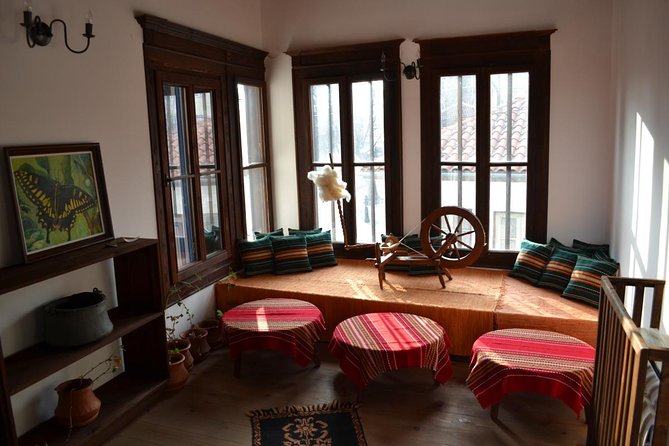
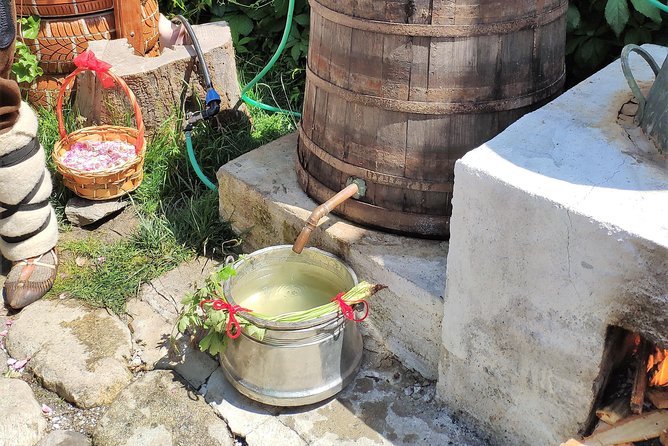
The tour includes a workshop-demonstration of extraction of rose oil from a mini distillery, and the learning happens in an old house. That old-house setting matters. It makes the process feel connected to how people traditionally worked, not like a modern lab demo.
Here’s what you’re really learning: the relationship between petals and the liquids people prize. You’ll hear about producing rose oil and extracting rose water. You’ll see how the distillation concept is explained and demonstrated, and you’ll leave with a clearer mental map of how rose season products go from plant to finished materials.
Practical tip: if you’re the type who loves photos, bring something that can handle indoor lighting well. Workshops in older buildings can be dim, so your camera settings will matter.
The tasting: rose sweet, gulovitsa, and rose liqueur
The tasting portion is part of the tour for a reason: it turns the aroma you’ve been working around into something you can taste. You’ll try rose sweet, gulovitsa, and rose liqueur.
I like this structure because it keeps rose production from staying theoretical. If rose oil is the concentrated end goal, the tasting shows the everyday pleasure side of the same season. Even if you’re not a big drinker, the sweets give you a way to experience the flavor without committing.
Food note: the tour includes the tasting, but it does not mention dietary alternatives. If you have allergies or strict dietary needs, I’d reach out to the operator when you book.
Rose factory visit and rose soap making you can see
The tour also includes a visit to a rose oil factory, and the experience may include a demonstration of rose soap making, depending on the time of year. In addition, making soaps is listed as included.
This part is especially valuable if you like seeing the next step after the workshop. It’s one thing to learn rose oil extraction from a mini distillery. It’s another to watch how rose ingredients show up in products people use.
What to watch for: the factory stop helps you understand that rose oil is not only a perfume ingredient. It becomes soap, and soap becomes something you can buy, gift, and use, which makes the workshop feel like it has a practical payoff.
What makes this tour feel authentic
Authenticity here is more than marketing language. It comes from specific ingredients in the experience:
- You do the rose picking ritual, not just a sightseeing version of it.
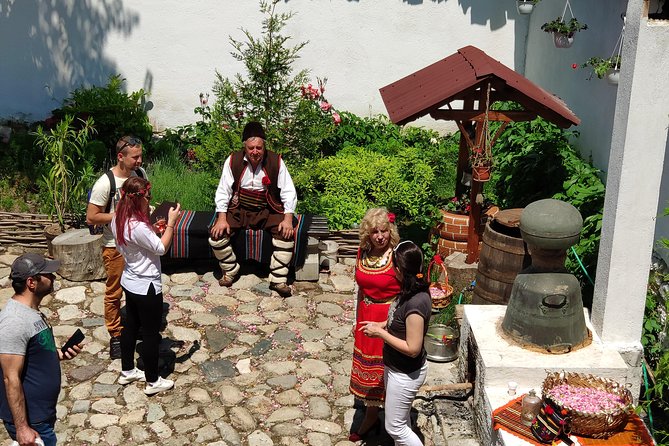
- You dress into the tradition context through folk traditional costumes worn by the rose-pickers.
- You learn the production steps through an old house workshop and a mini distillery demonstration.
- You see production in the real world through the rose factory and soap making.
The tour also has a local operator approach, and it’s offered in English. It’s also a private tour/activity, meaning only your group participates, which usually makes the pace and Q&A more comfortable.
Logistics that matter: starting point, timing, and group size
This activity runs from 9:00 am and lasts about 3 hours. It starts in Karlovo and ends back at the meeting point, so you’re not left wondering how to get back.
Transportation is not included, but it does note that it’s near public transportation. If you’re coming from Plovdiv, you’ll want to plan your ride into Karlovo ahead of time, because the start time is early.
Also, check the season. The tour happens during rose picking season, and the operator can adjust the itinerary based on when roses mature. You might see the tour confirmed with the order between Karlovo and/or Damascena near Kazanlak, depending on conditions.
The result: the day stays flexible, but you need to be okay with a little change in sequence.
Who should book this rose oil experience
This tour is a great fit if you:
- want a Bulgarian rose experience that’s hands-on, not just a walk-through
- enjoy craft and want to connect petals to rose oil, rose water, and soap
- like cultural details, especially when they’re tied to seasonal work
- want a short, focused tour that still includes tasting
It’s also a solid pick for groups who want a more private feel. Because it’s private, you won’t be squeezed into a large crowd rhythm.
If you hate workshops, though, you may find parts of the day more instructional than you want. The core of the experience is craft and ritual.
When to go and what weather really means for your plans
The tour requires good weather. If it’s canceled due to poor weather, you’ll be offered a different date or a full refund.
Because rose picking is seasonal, timing matters twice: first for roses ripening, and second for weather. If you’re in Bulgaria for only a few days, treat this as a priority booking rather than a last-minute add-on.
Is it worth it? The value behind the rose ritual
Even without a price listed here, I can tell you where the value comes from. You’re getting multiple “types” of experience packed into about three hours:
- a guided rose picking ritual in a traditional setting
- a production learning moment with oil and water extraction
- tasting that reflects the season’s products
- a factory visit related to soap making
That mix is often what turns a rose experience from cute to memorable. You’re not just smelling roses. You’re learning why the region matters and how the products connect.
If you’re deciding based on logistics, remember transportation is not included. Your overall value depends on how easy it is for you to reach Karlovo at 9:00 am.
Should you book this picking roses and extracting rose oil workshop?
I’d book it if you want a rose experience that’s genuinely tied to how people make and use rose products in this part of Bulgaria. The pairing of traditional rose picking, oil and rose water extraction, and factory soap making gives you a full loop, from field to craft.
If you’re short on time but still want something real, the 3-hour format is a big advantage. And if you’re the kind of person who enjoys small tastings tied to what you’re learning, the rose sweet, gulovitsa, and rose liqueur add a satisfying finish.
Skip it only if you’re coming for pure sightseeing with no interest in craft, or if you know you can’t be flexible with seasonal ripening and weather.
FAQ
Where does the workshop start and end?
It starts in Karlovo, Bulgaria (meeting point in Karlovo) and ends back at the same meeting point.
How long is the experience?
The duration is about 3 hours.
Is it offered in English?
Yes, the workshop is offered in English.
Is this tour private?
Yes. Only your group participates, so it’s a private tour/activity.
What activities are included besides rose picking?
You get rose picking during rose picking season (if operating), tasting of rose sweet, gulovitsa, and rose liqueur, a demonstration of rose oil extraction from a mini distillery, and a visit to a rose factory depending on the time of year, including soap making.
What if the itinerary changes due to rose ripening or weather?
The operator may adjust the itinerary because rose maturity time can vary by region. The activity also requires good weather, and if it’s canceled for poor weather you’ll be offered a different date or a full refund.
Rose Valley & the Thracian Kings, compared.
 ★ 5.0Valley of the Thracian Kings, Hidden TreasuresFrom $11928 reviews
 ★ 5.0Kazanlak-Rose Valley-Valley of the Thracian Kings – private tour from PlovdivFrom $14415 reviews
 ★ 4.5Plovdiv and Thracia Valley with Wine TastingFrom $17415 reviews
 ★ 4.5Private Access Rose Festival Kazanlak 05-07.06.2025From $1056 reviews
 ★ 5.0A Day trip to the Thracian Kings, The Valley of Roses & BuzludzhaFrom $1076 reviews
 ★ 4.0Koprivshtitsa and Starosel TourFrom $1683 reviews
 ★ 5.0Symbol of the Communism Buzludzha monument and the Rose valleyFrom $2313 reviews
 ★ 3.5Tour to Koprivshtitsa and the Buzludzha monument incl the Seuthes Thracian TombFrom $1743 reviews
Browse the lists this tour appears in